

 |
||
| DEPARTMENT OF COMBAT SUPPORT AND ROUTINE ACTIVITIES MANAGEMENT | ||
|
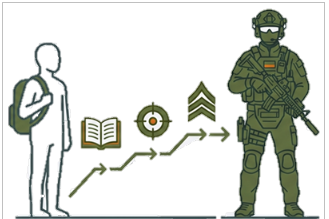
THE FUTURE OFFICER – DEFENDER OF THE STATE The Department develops professional military competencies required for confident unit leadership and the maintenance of high combat readiness.Primary Mission: Organization and implementation of advanced combat experience. Flagship Program: “Basic Tactical Level Course L-1A” |
 |
|
 |
COMBAT-PROVEN EXPERIENCE "Teach not what you know, but what is required in war." |
|
|
Each instructor has served in combat units, from maneuver elements to military command and control bodies. Operational experience includes the execution of special missions at levels ranging from battalion tactical level to operational–strategic groupings of forces.
|
||
|
COMBAT SUPPORT FORCES
|
||
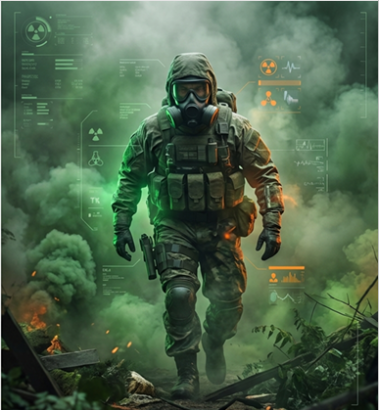
 DEFENCE AGAINST CHEMICAL, BIOLOGICAL, RADIOLOGICAL AND NUCLEAR THREATS (CBRN) DEFENCE AGAINST CHEMICAL, BIOLOGICAL, RADIOLOGICAL AND NUCLEAR THREATS (CBRN) |
 |
|
|
“Man is a part of nature, and his war against nature is inevitably a war against himself.”— Rachel Carson
Countermeasures: Degradation of enemy detection systems effectiveness. Assault Operations: Employment of flamethrower units. Force Protection: Use of individual protective equipment (IPE) and movement through contaminated areas. |
||
|
MILITARY GEOSPATIAL SUPPORT |
||

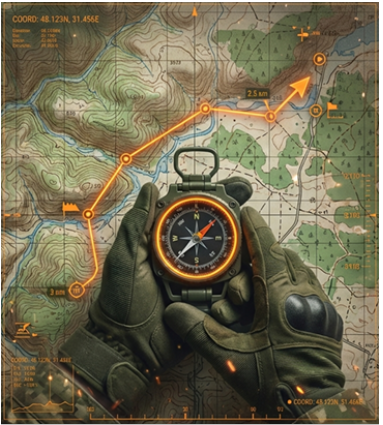
MILITARY TOPOGRAPHY |
 |
|
|
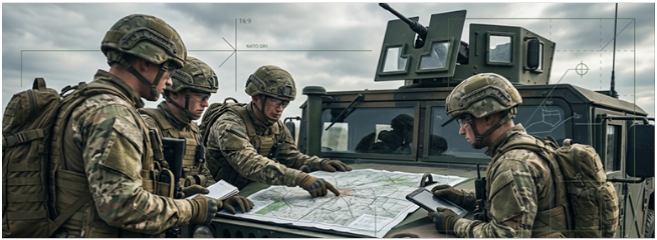
Navigation and Terrain Analysis. Geospatial data enable commanders to make informed decisions by taking into account the tactical characteristics of terrain. Assessment of the tactical characteristics of terrain. Use of topographic maps and geospatial imagery. Navigation without GPS: day and night, in all weather conditions. |
||
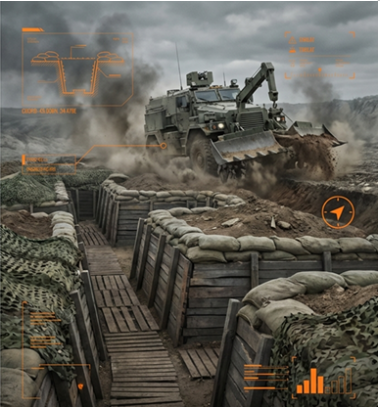
 MILITARY ENGINEERING PREPARATION MILITARY ENGINEERING PREPARATION |
 |
|
|
BATTLEFIELD SHAPING Creation of infrastructure for effective operations and unit concealment. Breaching and overcoming minefields. Construction of fortifications and camouflage of strongpoints. Installation of engineering obstacles. |
||
 C2 COMMUNICATIONS AND CYBERSECURITY – "ORGANIZATION OF MILITARY COMMUNICATIONS" C2 COMMUNICATIONS AND CYBERSECURITY – "ORGANIZATION OF MILITARY COMMUNICATIONS" |
||
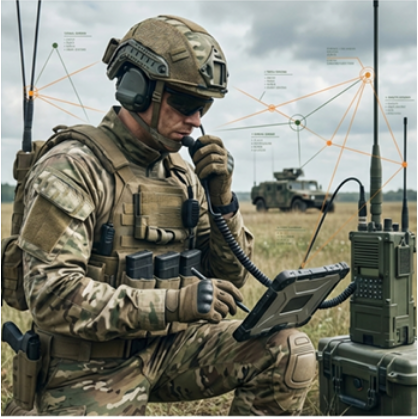 |
“Information is the new form of combat power.” — William A. Owens |
|
| Combat Management System Planning Protection against electronic warfare (EW) and signals intelligence (SIGINT) threats. Cybersecurity and NATO interoperability. |
||
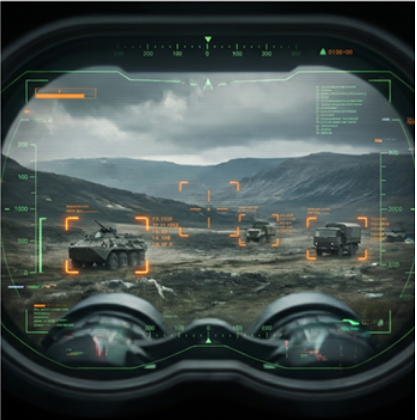
 TACTICAL MILITARY INTELLIGENCE TACTICAL MILITARY INTELLIGENCE |
||
| “You cannot command what you do not understand, and you cannot understand without information.” — David Petraeus |
 |
|
|
Intelligence Creates Conditions for Successful Engagement Battlefield Intelligence Management of Unit Actions During Tactical Operations
|
||
|
COMBAT SERVICE SUPPORT FORCES
|
||
| MANAGEMENT OF MILITARY UNIT ROUTINE DUTIES | ||
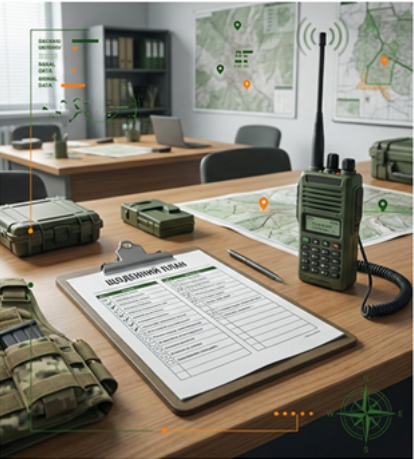 |
“A good plan executed immediately is better than a perfect plan executed too late.” — George S. Patton |
|
|
Handling of Classified Documents Secure Storage of Weapons and Ammunition Safety Measures During Live-Fire Exercises and Training |
||
 MILITARY AUTOMOTIVE SYSTEMS MILITARY AUTOMOTIVE SYSTEMS |
||
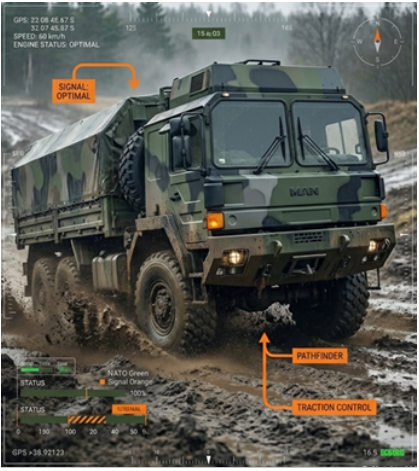 |
Operational Use of Specialized Military Equipment. | |
|
Employment of Equipment in Special Operations Provision of Mobility and Maneuver Support |
||